Ensuring a safe workplace isn’t just a legal obligation—it’s a moral one, protecting employees, clients, and property.
This article explores how American companies can strengthen fire safety through effective safety renewals.
By the end, you’ll have a practical roadmap for ensuring your office meets the highest fire safety standards and safeguards your most valuable assets: your people.
The Importance of Workplace Fire Safety
According to the National Fire Protection Association (NFPA), thousands of commercial fires occur each year, causing billions in property damage and tragic losses of life.
Fire safety in the workplace protects more than just assets—it safeguards employees and visitors from harm.
That’s why understanding the full scope of fire safety—training, equipment, documentation, and inspections—is essential for every organization.
Understanding Fire Warden (Brigade) Training Requirements
This training is essential for ensuring that offices can respond quickly and safely if a fire breaks out.
Employers are responsible for selecting suitable fire wardens and ensuring they receive regular training updates.
Well-trained fire wardens not only enhance safety but also help organizations pass compliance inspections, reducing legal and insurance risks.
How to Prepare for Fire Safety Certification and Renewals
Certification often includes on-site inspections and review of safety documentation.
Check that all fire extinguishers are inspected and tagged, alarms are functioning, and exit routes are unobstructed.
Proactive preparation not only simplifies renewals but also ensures continuous protection for your workplace.

Ongoing Strategies for Workplace Fire Prevention
This includes routine equipment checks, clear communication, and fostering a culture where all employees understand their role in fire prevention.
Regular maintenance is critical: schedule monthly checks on fire alarms, smoke detectors, sprinkler systems, and extinguishers.
Employee engagement matters too.
Legal and Insurance Implications of Fire Safety Compliance
Beyond regulatory penalties, companies may face reputational damage, employee distrust, and operational disruptions.
Many commercial insurance policies require proof of current fire safety certifications, maintenance logs, and training records.
Investing in compliance is not just about avoiding penalties—it’s about protecting your assets, your team, and your future.
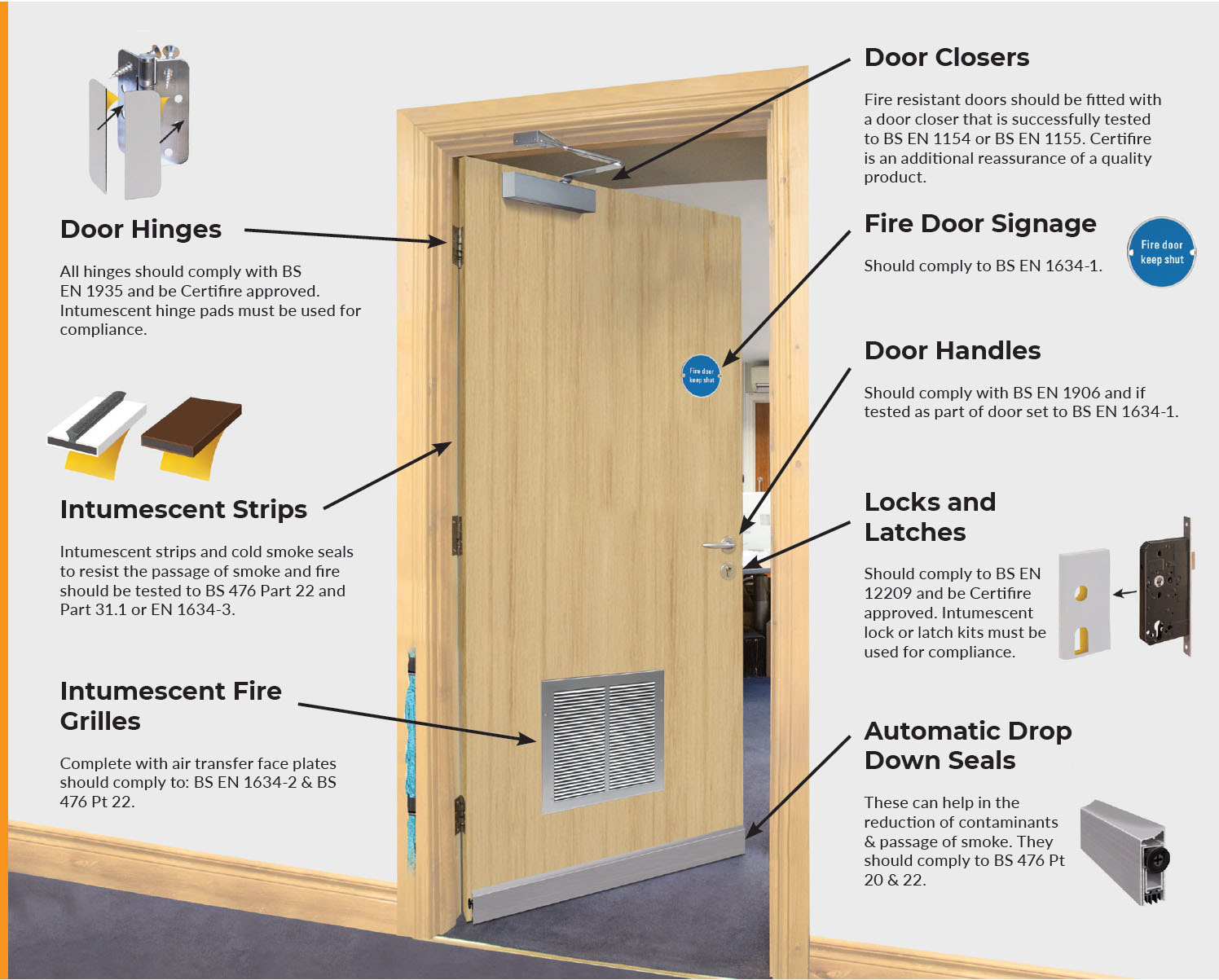
Conclusion: Building a Fire-Safe Workplace
Creating a fire-safe workplace is not just about ticking regulatory boxes—it’s about protecting lives, preserving property, and fostering a culture of responsibility.
Fire safety readiness is a powerful signal of professionalism and care.
Keep your team informed, your equipment updated, and your plans reviewed regularly.
Common Questions on Workplace Fire Prevention
Which employees should receive fire brigade training?
Typically, designated employees such as team leads, managers, or safety officers receive fire warden training.
How often should fire safety certifications be renewed?
Renewal periods vary by jurisdiction but are often required every 1–3 years.
What triggers most workplace fires in the US?
Common causes include electrical malfunctions, overloaded power strips, kitchen accidents, improperly stored flammable materials, and heating equipment issues.
How does fire safety affect insurance coverage?
Staying compliant protects both your business and your financial stability.
What elements make up a solid fire emergency plan?
It should be clearly communicated, posted in visible areas, and reviewed regularly with staff.
clique aqui e saiba mais